

Picture this: it’s a sun-soaked day by the pool, the water shimmering invitingly. Kids are laughing, people are gliding through the water with ease, and you’re… stuck on the edge, heart pounding, and feet firmly planted on dry land. Sound familiar? If so, you’re not alone! Aquaphobia, or the fear of water, is something many adults face, and while it might feel like a roadblock, it’s one you can absolutely overcome.
This article is your personal cheerleader, here to show you that moving from fear to freestyle is not just possible—it can be fun, rewarding, and maybe even a little exhilarating. Whether your fear comes from a childhood memory, a scary experience, or just never having had the chance to learn, we’re here to help you take that first splash (pun intended).
Did you know that around 19% of adults worldwide admit to a serious fear of swimming? That’s nearly one in five people! But the great news? Many have turned their fear into a love for the water—and you can, too. Swimming isn’t just about survival; it’s about discovering the freedom of movement, building confidence, and unlocking the joys of a whole new world underwater.
So grab your goggles, take a deep breath, and get ready to dive into this guide. We’re here to help you conquer your fears, one splash at a time!
Aquaphobia isn’t just about feeling a little nervous when it’s time to hop into the pool—it’s a full-on fear of water that can trigger intense emotional and physical reactions.
Unlike general unease, which might make someone hesitate before taking the plunge, aquaphobia can cause overwhelming anxiety, making it difficult even to be near water. It’s not just about swimming either; activities like wading, boating, or even walking by a lake can feel like climbing Mount Everest for someone with this fear.
Past Traumatic Experiences
Sometimes, one scary moment is all it takes. A slip in the pool, a close call in deep water, or even witnessing someone else struggling can create a lasting fear of water.
Lack of Exposure During Childhood
If you didn’t grow up splashing around in the pool or at the beach, water can feel unfamiliar and intimidating as an adult. Without those early experiences, it’s harder to build confidence later in life.
Cultural or Familial Influences
Some cultures or families may not prioritise swimming, and as a result, fear of water can be unintentionally passed down.
Aquaphobia isn’t just in your head—your body feels it too. Anxiety can lead to a racing heart, sweaty palms, and even full-blown panic attacks. Physically, you might feel tense, rigid, or unable to float because your muscles refuse to relax. These reactions make being in water feel like a losing battle, reinforcing the fear over time.

Boost Your Cardiovascular Fitness
Swimming is like a magic wand for your heart. It gets your blood pumping and improves circulation without putting stress on your joints. Regular swimming sessions are proven to enhance heart health and reduce the risk of cardiovascular diseases.
Build Muscle Strength and Flexibility
The resistance of water works wonders for building muscle strength across your entire body. Whether you’re kicking, pulling, or floating, your muscles are getting a workout. Plus, the fluid movements increase flexibility, making you feel lighter and more limber after every swim.
Burn Calories the Fun Way
Swimming is a calorie-torching activity! In just 30 minutes, you can burn anywhere from 200 to 500 calories, depending on your intensity, all while having fun in the water.
Stress Relief in Every Stroke
Swimming offers a natural escape from daily stress. The rhythmic motion and focus on breathing create a calming effect, reducing anxiety and improving your mood.
Boost Your Confidence
Conquering aquaphobia is a massive confidence booster. Learning to float, swim, and enjoy water gives you a sense of accomplishment and self-belief that spills over into other areas of your life.
Achieve Mental Clarity
Swimming encourages mindfulness. The sound of water, combined with the physical effort, can help clear your mind, leaving you refreshed and recharged.
Join Water-Based Activities
Imagine joining friends for a snorkelling adventure or splashing around at a pool party without fear. Overcoming aquaphobia opens the door to a world of social activities that revolve around water.
Ensure Safety Around the Water
Swimming isn’t just a fun skill—it’s a life skill. Knowing how to swim means you’ll feel safer around water, whether at the pool, the beach, or on a boat.
Share the Joy with Loved Ones
Whether it’s swimming with your kids, teaching them water safety, or enjoying a holiday at a waterpark, overcoming your fear of water allows you to make lifelong memories.

Normalising the Fear of Water
Let’s start with the basics—being afraid of water is entirely normal. Many adults share this fear, so you’re not alone. Acknowledging your feelings without judgment is the first step toward overcoming them. Instead of seeing fear as a weakness, think of it as a challenge you’re ready to tackle head-on.
Embracing the First Step
The hardest part of any journey is starting. By deciding to face your fear, you’ve already made incredible progress. Remember, bravery isn’t the absence of fear; it’s taking action despite it.
Take It One Splash at a Time
Overcoming aquaphobia isn’t an overnight transformation. Set small, achievable goals, like dipping your toes in the water or practicing breathing exercises at the pool’s edge. Celebrate each win, no matter how small—it all adds up.
Patience is Key
Rushing only creates frustration. Progress may feel slow at times, but gradual steps build a solid foundation for long-term confidence.
Picture Your Success
Close your eyes and imagine yourself floating peacefully or gliding through the water. Visualisation helps your brain prepare for success by reducing anxiety and creating positive mental associations with swimming.
Rehearse Calmness
In your mind, walk through each step you’ll take—from stepping into the pool to practicing simple movements. This mental preparation can make real-life experiences feel less daunting.
Flip the Script
Instead of saying, “I’m terrified of water,” try reframing it to, “I’m excited to learn something new.” Positive affirmations can reshape your mindset and transform fear into excitement.
Empower Yourself
Repeat phrases like “I am in control” or “I can conquer this challenge” to boost your confidence before entering the pool.

Learn the Basics on Land
Before you even touch the water, it’s helpful to understand water safety principles and basic swimming techniques. Learning how to kick, float, and move your arms on dry land can make the pool feel less intimidating.
Practice Breathing Exercises
Breathing is your secret weapon against anxiety. Try slow, deep breaths to calm your nerves. A good starting point is inhaling through your nose for four counts, holding for two, and exhaling slowly through your mouth for six counts. This helps keep your heart rate steady when it’s time to get into the pool.
Pick a Calm, Shallow Pool
Finding a pool with a shallow area where you can stand comfortably makes a huge difference. Look for one that offers a quiet and supportive atmosphere.
Work with an Experienced Instructor
A qualified instructor who specialises in helping adults with aquaphobia can guide you through the process with patience and understanding, making each step less daunting.
Start Small
Begin by wading in the shallow end or even splashing water on your arms and face. Small, consistent exposure can help desensitise your fear.
Get Comfortable Submerging
Hold onto the edge of the pool and practice dipping your chin, face, or head underwater. Progress at your own pace to build confidence.
Practice blowing bubbles in the water. This simple exercise reduces panic and helps you learn to breathe calmly while submerged.
Start by lying on your back in shallow water with support from your instructor or a floatation aid. Floating helps you trust that the water will hold you up and reduces the fear of sinking.
The back float is a great entry point because it’s relaxing and requires minimal effort. Once you feel comfortable, transition to simple strokes like freestyle or breaststroke to build skill and confidence.
A qualified swimming instructor can make all the difference. These professionals are trained to address fears with patience and proven techniques, helping you feel supported every step of the way. Look for instructors who specialise in working with adults with aquaphobia—they’ll know how to create a safe, encouraging environment tailored to your needs.

Everything feels easier (and more fun) with a buddy! Whether it’s a trusted friend or family member, having someone by your side can boost your confidence. Your buddy can cheer you on, provide reassurance, and even practice beginner techniques with you. Just make sure they’re calm and comfortable in the water—it’s all about positive vibes!
Build Muscle Memory
Overcoming aquaphobia requires regular practice. Aim for consistent sessions, even if they’re short. Repeating small steps, like floating or breathing exercises, helps your body develop muscle memory, making each movement feel more natural over time. Remember, it’s not about speed—it’s about progress.
Stay Committed
Persistence is key. There might be days when it feels tough, but sticking to your routine will pay off in the long run. Think of it as building a new habit—one splash at a time.
Did you dip your face in the water today? That’s a win! Managed to float for five seconds? Amazing! Celebrating these milestones keeps you motivated and reminds you how far you’ve come. Treat yourself to something special after each breakthrough—it could be as simple as your favourite snack or a fun pool accessory.
Recognising the Signs
Feeling your heart race, struggling to breathe, or an overwhelming sense of fear? These are common signs of a panic attack in water. The first step is recognising what’s happening so you can address it calmly.
Strategies to Stay Calm
Focus on your breathing: inhale through your nose for four counts, hold for two, and exhale slowly through your mouth. Use a mantra like “I am safe” to ground yourself. If you’re in the pool, hold onto the edge or a float to regain stability. Remember, it’s okay to take breaks—progress isn’t about perfection.
Acknowledge the Plateau
Plateaus can be frustrating, but they’re a normal part of learning. Maybe you’re stuck on floating or can’t quite master a stroke. Don’t let it discourage you—it’s just a sign you’re ready for the next step.
Techniques to Push Past
Try breaking tasks into smaller steps. For example, if floating is the issue, practice holding onto a pool noodle or a wall for added confidence. Mixing up your routine can also help—new challenges can reignite your motivation.
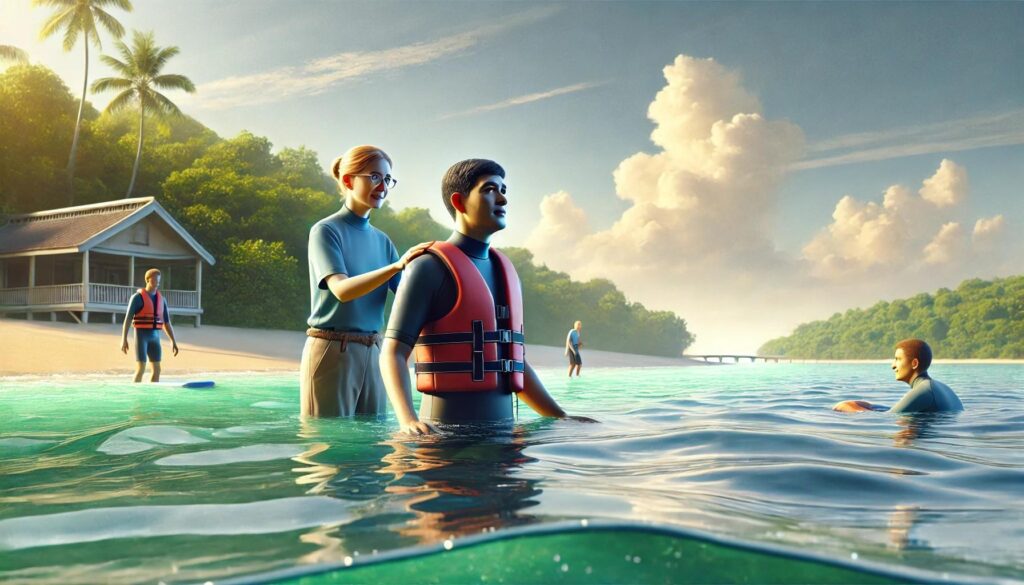
Why Open Water Feels Intimidating
Open water is unpredictable, which can feel overwhelming after the structured safety of a pool. But transitioning is possible with the right approach.
Tips for Transitioning
Start small with shallow lakes or calm beaches. Always go with a buddy or instructor for support. Practice close to the shore to build confidence. Wearing a flotation device can provide extra reassurance. Over time, you’ll get used to the new environment and feel more in control.
Whether you’re 25 or 65, overcoming aquaphobia is absolutely possible. Fear doesn’t discriminate by age, and neither does progress. Every day, people just like you take their first steps towards conquering their fear of water.
The key? Believing that it’s never too late to start. Learning to swim is about more than strokes and techniques—it’s about reclaiming confidence, gaining a life skill, and embracing the joy of water-based activities.
The hardest part is always starting, but here’s the good news: you don’t have to do it alone. Whether it’s signing up for a beginner-friendly swimming class, enlisting the help of a trusted friend, or simply visiting a pool to get familiar with the environment, every small action is a victory.
Think of it this way: each step you take today brings you closer to floating peacefully or swimming confidently tomorrow. You’ve read the stories of others who’ve succeeded—now it’s your turn to write your own.
So, why wait? Grab your swim gear, bring your courage, and take the plunge (literally or metaphorically!). The water’s waiting to welcome you to a world of freedom, fitness, and fun. Let’s make today the start of your aquaphobia-free life!
Congratulations! You’ve taken the first step toward conquering aquaphobia just by reading this guide. Now, imagine yourself gliding through the water, feeling confident, weightless, and free.
Sounds amazing, doesn’t it? Whether you’re starting with baby steps or gearing up for your first full lesson, every move you make is a step closer to breaking free from fear and unlocking a world of fun, fitness, and unforgettable memories.
Remember, overcoming aquaphobia isn’t about racing to the finish line—it’s about enjoying the journey. With the right mindset, support, and persistence, the pool (and even the ocean!) can become your new happy place.
So, what are you waiting for? The water is calling, and your fearless future is just one splash away. Grab your goggles, embrace the adventure, and let’s dive into a world of confidence, freedom, and endless possibilities. You’ve got this!
SwimDolphia is proudly sponsored by
Active Hy-Tek, Tehbotol, TYR and Wylas Timing.
© 2024 SwimDolphia Aquatic School • All Rights Reserved